Pneumatic Hammers – Power and Precision in Your Workshop
Welcome to the place where the power of compressed air meets engineering precision. If you’re looking for a reliable tool that can handle the toughest tasks in a workshop, on a construction site, or in industry, you’ve come to the right place. Choosing the right pneumatic hammer is the key to working more efficiently, faster, and safer. As experts, we understand that professionals have different needs than DIY enthusiasts. That’s why we’ve prepared this guide to help you find the tool that’s perfectly suited to your expectations.
What are the different types of pneumatic hammers, and what are they used for?
A pneumatic hammer puts the power of compressed air right in the palm of your hand. However, to fully harness its potential, it’s worth learning about the basic types and their intended uses. Choosing the right model will make your work not only easier but also more precise.
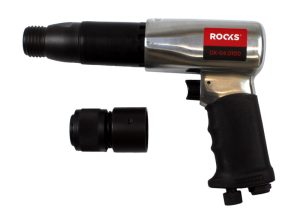
- Pistol-grip pneumatic hammers: These are the most versatile and popular models, such as the ROOKS OK-04.0040. Their ergonomic design ensures a secure grip and control. They are indispensable for sheet metal work, cutting bolts, knocking out pins, or removing welds.
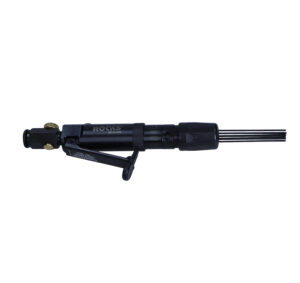
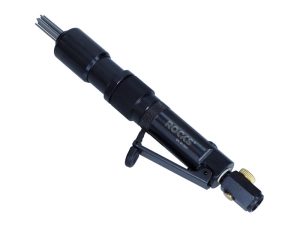
- Pneumatic needle hammers: Specialized tools, such as the ROOKS OK-04.0100, designed for precise surface cleaning. A set of steel needles vibrating at a very high frequency effectively removes rust, scale, carbon deposits, and old paint coatings from metal and concrete without damaging the material.
- Straight hammers: They feature a simple, elongated design that makes it easier to work in hard-to-reach places, such as deep inside an engine compartment or in tight structural components.
How to choose the best pneumatic hammer for your needs?
The sheer volume of technical data can be overwhelming, but it’s crucial to understand a few key parameters. These determine the tool’s effectiveness and ease of use. Pay attention to:
- Impact Energy (J): Determines the force of a single impact. The higher the value, the better the hammer will handle harder materials and heavier tasks.
- Blows Per Minute (BPM): Affects the speed of operation. A higher frequency is ideal for cutting and chiseling.
- Air consumption (l/min): A key parameter that you must match to your compressor’s capacity. A compressor that’s too weak won’t allow the tool to reach its full power.
- Weight and ergonomics: A lighter, well-balanced hammer with a non-slip handle ensures less fatigue and greater precision during prolonged use.
User Reviews and Frequently Asked Questions About Pneumatic Hammers
Before making a decision, it’s worth learning from others’ experiences and addressing any potential concerns. Social proof is the best confirmation of quality.
Frequently Asked Questions (FAQ):
Which compressor is suitable?
Check the hammer’s specifications for its air demand (l/min) and make sure your compressor’s effective capacity is at least 20–30% higher.
Can I use one hammer for different tasks?
Yes, the versatility of needle hammers lies in the ability to swap out the working tips. By using different chisels (e.g., from the ROOKS OK-04.0041 set), you can cut, punch through, and chisel.
A needle hammer or a hammer gun for rust removal?
A needle hammer is best for removing surface rust from large, flat, or irregular surfaces. A pistol hammer with a wide chisel is more effective for chipping away a thick layer of corrosion.
Accessories and Maintenance – How to Care for Your Pneumatic Hammers?
Investing in a high-quality tool pays off only if you take proper care of it. Proper maintenance and the right choice of accessories ensure that your pneumatic hammer will serve you reliably for years to come.
- Accessories: Make sure you have the right set of chisels, cutters, and center punches. Our product lineup includes dedicated ROOKS accessories, such as the OK-04.0042, OK-04.0043, and OK-04.0044 chisels.
- Maintenance: Regular lubrication is the key to longevity. Before each use, add a few drops of special pneumatic tool oil to the air inlet. The best solution is to install an air preparation unit with a filter, pressure regulator, and oiler in your pneumatic system.
Common Problems and Solutions
Even the best tools can sometimes cause problems. Fortunately, most of them can be easily resolved.
- Problem: The hammer is losing power.
- Solution: Check the working pressure on the compressor regulator. Make sure the air hose isn’t kinked or damaged. Check that the tool is properly lubricated.
- Solution: Check all connections and quick-connect fittings for leaks. Tighten them or replace the seals.
If the problem persists, please remember that we provide full technical support and access to our service center.
Choose the ROOKS pneumatic hammer that’s right for you
Choosing a pneumatic hammer is a decision that will have a real impact on the quality and pace of your work. Our selection features only proven ROOKS models that combine durability, excellent ergonomics, and high performance—all highly valued by professionals.
Browse the products available below, compare their specifications, and choose the tool that will become your reliable partner in the workshop. If you have any questions or need advice, please contact our advisors. We’ll be happy to help you make the best choice.







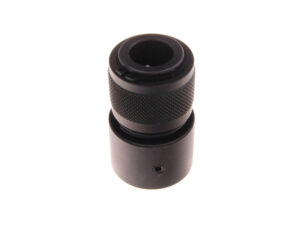
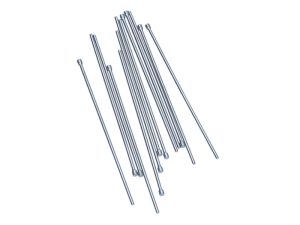 ROOKS OK-04.0042 replacement needles for OK-04.0041 MINI-INOX pneumatic needle scaler, 13 piecesCatalog nr: OK-04.0042
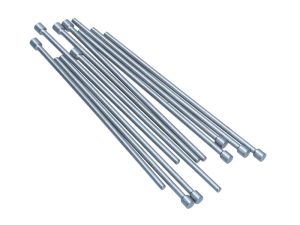 ROOKS OK-04.0044 replacement needles for OK-04.0043 MAXI-INOX pneumatic needle scaler, 11 piecesCatalog nr: OK-04.0044
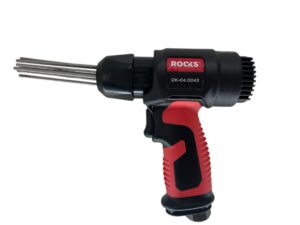
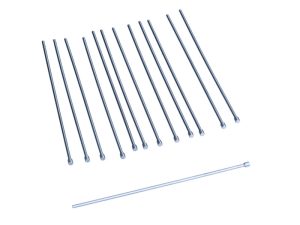 ROOKS OK-04.0040-04A replacement needles for OK-04.0040 pneumatic needle scaler, 13 piecesCatalog nr: OK-04.0040-04A