Showing all 9 results
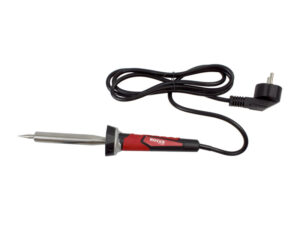
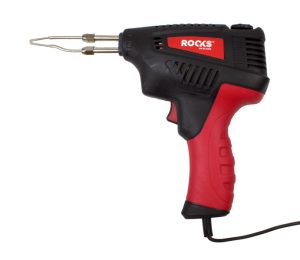 ROOKS 200 W Soldering Gun, 70–500°C – precise and fast soldering for professionalsCatalog nr: OK-03.4204





Showing all 9 results
ROOKS 200 W Soldering Gun, 70–500°C – precise and fast soldering for professionalsCatalog nr: OK-03.4204
Whether you are repairing home electronics or creating professional electrical installations, one thing is certain: a durable and safe wire connection is essential. At ROOKS, we understand this perfectly, which is why we have prepared a category where you will find everything you need for flawless soldering and wire joining. Discover professional tools and accessories that will make your work not only effective, but also safe.
Which tools and materials are needed for soldering and joining wires?
Wondering where to start? Assembling the right toolkit is the first step to success. Here is a list of essentials that will ease your work and guarantee a professional outcome:
Step by step – how to properly solder and join wires?
Mastering the art of soldering is easier than you think! Just follow a few basic rules. Here is a proven process that will ensure excellent results every time:
Safety during soldering and wire joining
Working with high temperatures and electricity requires caution. Keep a few key rules in mind so your work is not only effective, but above all safe:
Common mistakes and differences between soldering and mechanical joining
Mistakes happen to everyone, but it is worth knowing how to avoid them. The most common issues include “cold solder joints” (the result of insufficient temperature), wire overheating, or using too much solder. Practice and high-quality equipment are key.
What if not soldering? An alternative is mechanical wire joining, e.g., using crimp connectors and crimping tools. Which method to choose?
| Feature | Soldering | Mechanical joining (crimping) |
| Durability | Very high, creates a solid metallurgical bond. | High, but depends on the quality of the connector and tool. |
| Conductivity | Excellent, minimal resistance at the joint. | Good, but potentially higher resistance than soldering. |
| Disassembly | Difficult, requires reheating. | Easy, just cut off the connector. |
| Requirements | Requires skill and proper tools (soldering iron, solder). | Requires a specialized crimping tool and proper connectors. |
Quick selection of soldering tools and contacting an expert
Now that you know what to look for, it’s time to take action! ROOKS tools guarantee reliability and precision appreciated by professionals. Browse our selection of soldering irons, solder wires, and accessories to complete the ideal set for yourself. Have doubts about which model to choose? Contact our experts – we will gladly help you make the best decision.