Ball joint, tie rod, and bearing tools – professional selection by ROOKS
Working on suspension, steering systems, or replacing bearings requires precision, strength, and… the right tools. Disassembling seized ball joints, tie rods, or bearings without specialized equipment is a direct path to frustration and costly damage. That is why we have gathered professional tools for ball joints, tie rods, and bearings from the renowned ROOKS brand all in one place. With us, every repair becomes easier, faster, and safer.
Which tools are essential for working with ball joints, tie rods, and bearings?
Wondering if you really need a specialized puller? The answer is yes. Using a hammer and chisel is risky improvisation. A good tool in the workshop is half the battle, guaranteeing that the job gets done right the first time. In our offer, you will find:
- Ball joint pullers: Indispensable for safely separating ball joints. Available in fork type (for fast removal), hydraulic, and screw type, which act like a press, allowing for precise pressing out of even the most stubborn joints without risking damage.
- Bearing pullers: From classic two- and three-arm pullers, ideal for removing bearings and pulleys, to advanced hydraulic sets that generate the immense force required when removing large, seized hubs.
- Complete service sets: Universal cases containing various adapters and pullers that enable comprehensive suspension and bearing servicing across many vehicle models.
ROOKS, GOVONI, and WALLMEK tool sets – what sets these brands apart?
Why do professionals rely on ROOKS? Because in mechanics, there is no room for compromise. These brands are synonymous with reliability, precision, and safety. By choosing their products, you are investing in:
- Durability for years: Tools made of forged, high-grade steel, resistant to cracking and deformation even under the heaviest loads.
- Operating precision: Perfectly executed threads and working elements guarantee smooth operation and protect disassembled parts from damage.
- Safety and ergonomics: Well-thought-out design provides a secure grip and minimizes the risk of accidents during work. These are tools you can simply trust.
How to select the right tool set for ball joints, tie rods, and bearings?
Selecting the right tool might seem complicated, but answering a few simple questions is all it takes. Here is our brief guide:
- Determine the scope of work: Do you need tools for occasional garage repairs or daily work in a professional workshop? For simple tasks, a universal screw puller is often enough. For workshops, we recommend comprehensive sets.
- Check vehicle specifics: Do you work primarily with passenger cars, delivery vans, or trucks? The size and type of the puller must match the dimensions of the ball joints and bearings in the vehicles serviced.
- Choose the puller type: A fork-type set works great for fast disassemblies. If maximum precision is your priority, opt for a screw or hydraulic puller.
Feeling unsure? No worries! Our experts will gladly help you select the tools perfectly tailored to your needs. Contact us.
Practical tips on tool usage and maintenance
To ensure your new tools serve you as long as possible, keep a few simple rules in mind. Treat them as an investment that pays off with every successful repair.
- Use lubricant: Always lubricate the thread of the puller bolt before starting work. This reduces friction and significantly extends its lifespan.
- Do not use an impact wrench: Unless the manual states otherwise, use a hand wrench to turn the puller bolt. An impact wrench can damage the fine thread.
- Clean and store: Clean the tool after every job and store it in a dry place, preferably in its original case. This prevents corrosion and makes it easy to find next time.
Summary and customer support
Choosing professional tools for ball joints, tie rods, and bearings is a decision that pays off. You gain not only time and efficiency, but above all, the certainty that every repair is performed solidly and safely. Explore our range of ROOKS, GOVONI, and WALLMEK products below. Browse through available sets, compare their capabilities, and choose the solution that best fits your workshop. Have questions? We are here to help.








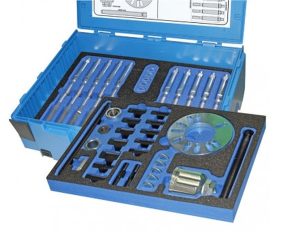 GOVONI GO065 MASTERSET hub and CV joint installation and removal set – a complete solution for professionalsCatalog nr: GO065
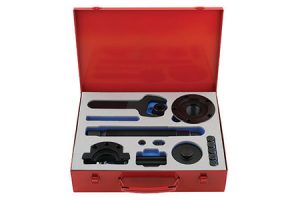
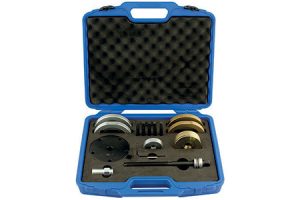 LASER LSR 5582 GEN2 wheel bearing tool set for VAG, 85 mm – precise bearing removal and installationCatalog nr: LSR 5582
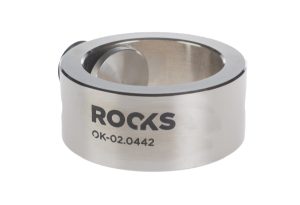 ROOKS OK-02.0442 steering gear service lock – effective protection during servicingCatalog nr: OK-02.0442
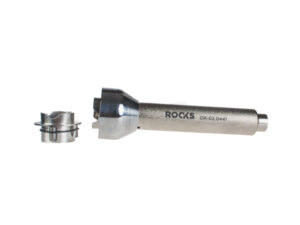
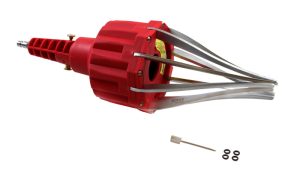
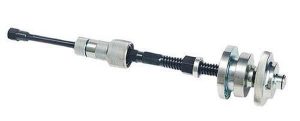
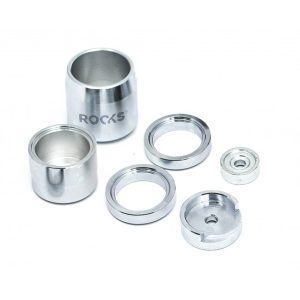 ROOKS OK-02.0465 control arm ball joint sleeve set for Sprinter, T4 and CrafterCatalog nr: OK-02.0465
