




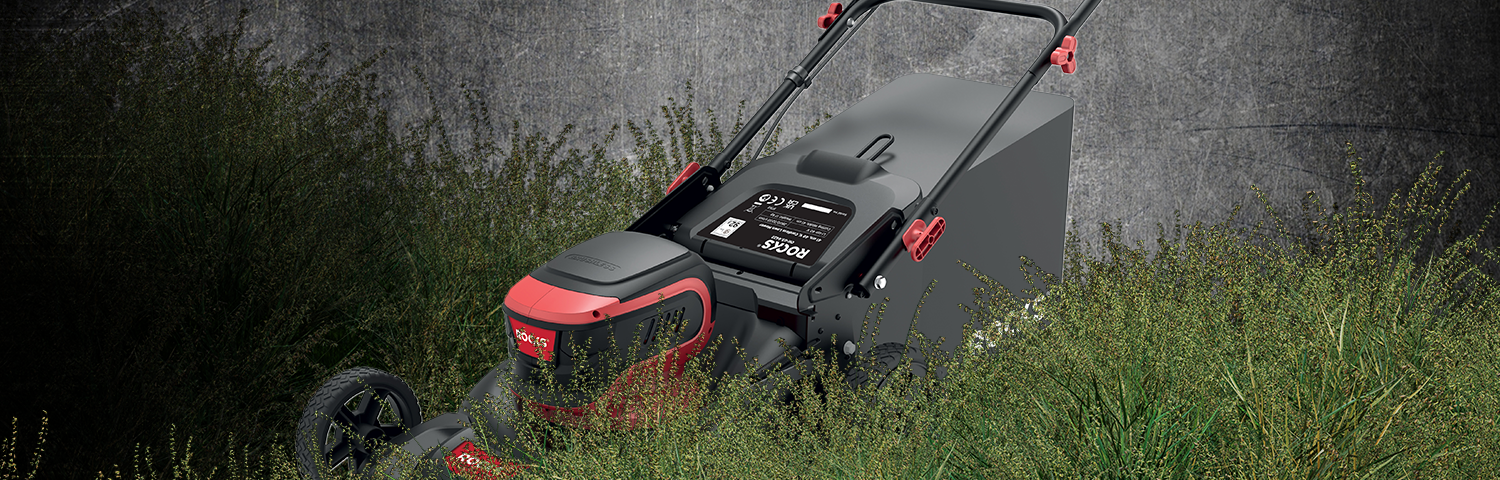
Why won’t a petrol lawnmower start?
The question of why a petrol lawnmower won’t start usually arises when the lawn is waiting to be mowed and the equipment refuses to cooperate. If the mower doesn’t start, it doesn’t always mean a serious breakdown. Very often, the problem lies in the details: stale fuel, a dirty intake system, or a worn spark plug. Therefore, it is worth calmly analyzing the possible causes and checking the mower’s most important components step by step. This makes it easier to assess whether you can quickly start the petrol lawnmower yourself or if professional service help will be needed.
Most common causes of starting problems
When a petrol lawnmower won’t start, it is worth starting with the basics. One of the most common causes is the fuel. If there is stale fuel in the tank that has been sitting in the machine for a long time, it may have lost its properties. Especially after extended downtime and when the equipment absorbed moisture over the winter, fuel can change its structure and resemble a thick, sticky liquid. Such stale fuel residue can cause starting problems and make it difficult to start the engine.
Therefore, before your next attempt, especially when the mower won’t start after winter, it is worth ensuring there is fresh fuel in the tank. Draining the fuel tank is also good practice if you suspect the contents are no longer suitable for use. A tank full of old fuel can effectively hinder starting the lawnmower.
Air filter – a small component, a big problem
Very often, the culprit is the air filter. If it is dirty, the engine does not receive enough air, which can be the cause of no engine response. A clogged air filter can severely restrict airflow to the carburetor and combustion chamber, making it hard to start the petrol mower. In practice, a contaminated air filter can also disrupt the fuel-air mixture ratio.
That is why you should always check the air filter. If the element is only lightly soiled, cleaning the air filter can help. In some cases, using compressed air is enough, but when the filter is heavily worn, it is best to simply replace the air filter. Regular air filter cleaning and routine replacement are the foundation of good mower maintenance and effectively prevent problems in the future.
Spark plug and ignition system
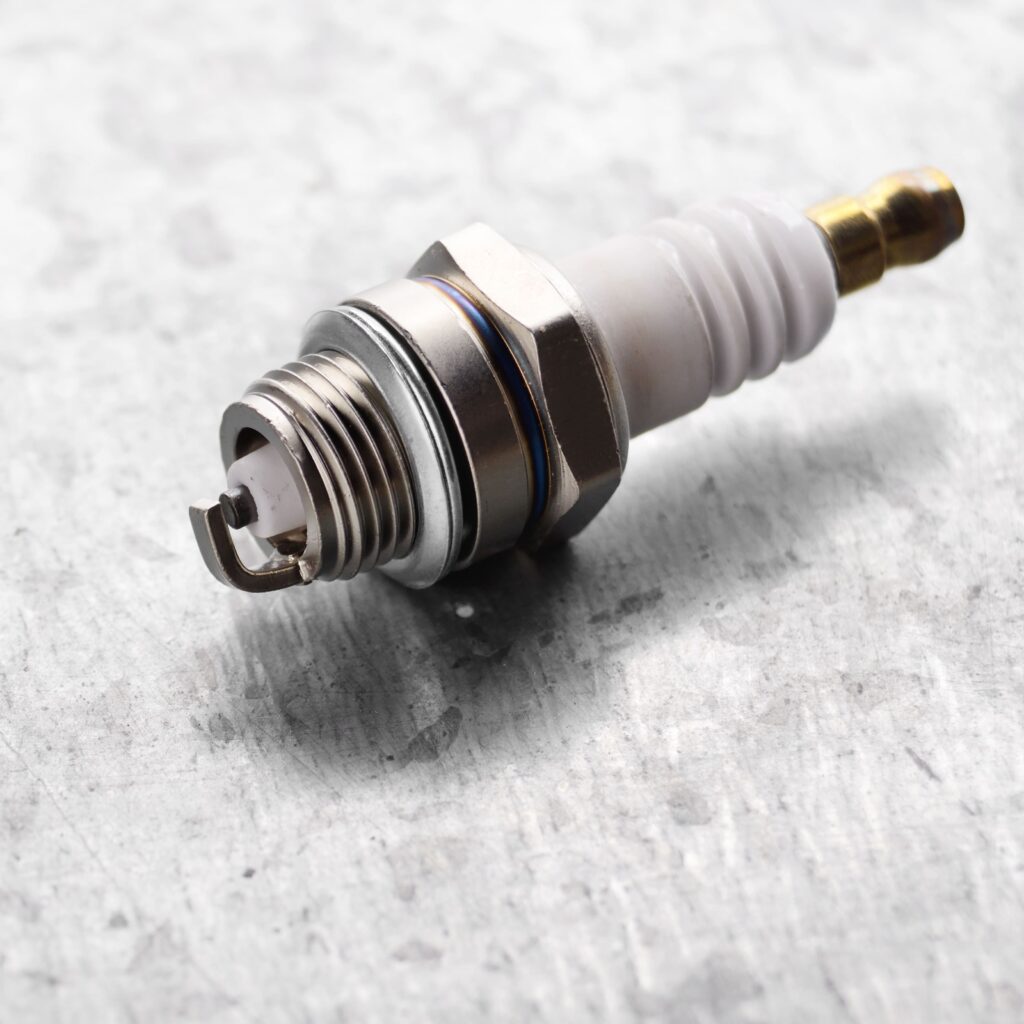
Another important point is the spark plug. A worn or dirty plug can effectively prevent the mower from starting. If the mower is hard to start, be sure to check the condition of the spark plug. The spark plug itself may be fouled with carbon, flooded with fuel, fouled with oil, or simply worn out. Sometimes a spark plug looks good on the outside, but is worn internally and fails to produce a proper spark.
During inspection, it is worth disconnecting the spark plug lead and checking the connection to the electrode. Of course, caution must be exercised due to high voltage. The condition of the ignition wire and other components related to the ignition system is also important. If a neglected spark plug has heavy carbon deposits, you can gently clean it with a wire brush, but a new spark plug is often a better solution. At the same time, check that electrical wires and connections are not loose.
Carburetor and fuel system
In many mower models, the carburetor is responsible for proper fuel metering. It prepares the fuel-air mixture, so a dirty carburetor or a seized carburetor can cause starting difficulties. If the mower won’t start after winter, fuel deposits blocking the passages are often to blame. In such a situation, it is worth cleaning the carburetor, while more demanding cases may require a professional approach to carburetor cleaning, e.g., using an ultrasonic cleaner.
It is also worth inspecting the fuel system and fuel filter, as restricted fuel flow can also make starting the engine difficult. In some cases, excessive priming can flood the carburetor, flooding the spark plug with fuel and leaving the equipment unable to start. This is one of the most common situations where a petrol lawnmower won’t start, even though everything looks correct on paper.
Mechanical problems and safety settings
Not every failure relates to fuel or ignition. Sometimes the issue is a blocked blade or excess grass clippings under the deck. Accumulated material can effectively prevent the blade from turning and leave the engine unable to turn over. Before attempting to start, check whether the blade rotates freely and that the underside of the mower is not clogged. Always place the equipment on a stable, hard surface and exercise caution.
It also happens that the problem lies within the mechanics. Striking a stone with the blade could lead to a bent crankshaft or damage affecting the engine shaft. In such a situation, even a well-maintained petrol mower will be difficult to start. A poorly tensioned brake cable or another safety interlock preventing the engine from starting can also be the culprit. That is why, when diagnosing the problem, you need to look beyond just the fuel.
What to do step by step?
If the mower won’t start, begin with a simple checklist. First, ensure you have fresh fuel. Next, check the oil level, as some models react to a lack of oil with starting issues. Then check the air filter, and evaluate the condition of the spark plug and wires. See whether the spark plug is heavily fouled, covered in oil, or if the cables are damaged. After that, move on to the carburetor and evaluate whether there are fuel deposits. Taking a calm approach increases the chances of avoiding problems and getting the mower started faster.
It is also worth remembering that with a cold engine, you must follow the correct starting procedure according to the manufacturer’s recommendations. Yanking the starter cord too aggressively or incorrectly setting the choke lever can make starting the mower harder. Sometimes the equipment starts only after several attempts, but if the mower starts and dies after a moment, the problem may still lie with the fuel supply or ignition.
How to prevent problems?
The best way to avoid problems is regular maintenance. Caring for the mower, changing filters, checking the spark plug, and performing a pre-season inspection significantly impact the lifespan of the equipment. Every technically sound lawnmower rewards you with easier starting and smoother operation. Well-executed lawnmower maintenance reduces the risk that the device will fail to start when you need it most.
So, if you are wondering why your lawnmower won’t start, remember that the most common causes are usually quite simple to detect. A dirty air filter, a worn spark plug, fuel deposits, or carburetor issues are the faults most frequently responsible for starting problems. Regular inspections, routine replacement of basic components, and attention to technical condition are the best ways to avoid issues, extend the lifespan of your machine, and ensure your lawnmower is ready for work all season long.
Check out ROOKS garden power tools:
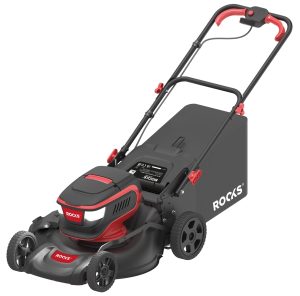
 ROOKS OK-03.4424 – 20V AQ-ONE 46 cm, 40V cordless lawn mower, bare toolCatalog nr: OK-03.4424
Read more
- Sale
 ROOKS OK-03.4422 – 20V AQ-ONE 41 cm, 40V cordless lawn mower, bare toolCatalog nr: OK-03.4422
Read more
- Sale
 ROOKS OK-03.4420 – 20V AQ-ONE 400 mm cordless chainsaw, bare toolCatalog nr: OK-03.4420
Read more
 ROOKS OK-03.4418 – 20V AQ-ONE 2-in-1 cordless grass trimmer, 33 cm, bare toolCatalog nr: OK-03.4418
Read more
- ROOKS OK-03.4416 – 20V AQ-ONE 610 mm hedge trimmer, Ø22 mm, bare toolCatalog nr: OK-03.4416
Read more
- SaleROOKS OK-03.4386 20V AQ-ONE cordless chainsaw, 150 mm, bare toolCatalog nr: OK-03.4386
Read more
- ROOKS OK-03.4384 20V AQ-ONE cordless pole chainsaw, 2.65 m, 200 mm, bare toolCatalog nr: OK-03.4384
Read more
- ROOKS OK-03.4382 20V AQ-ONE cordless grass trimmer, 30 cm, bare toolCatalog nr: OK-03.4382
Read more