







Why doesn’t the lawnmower collect grass into the catcher?
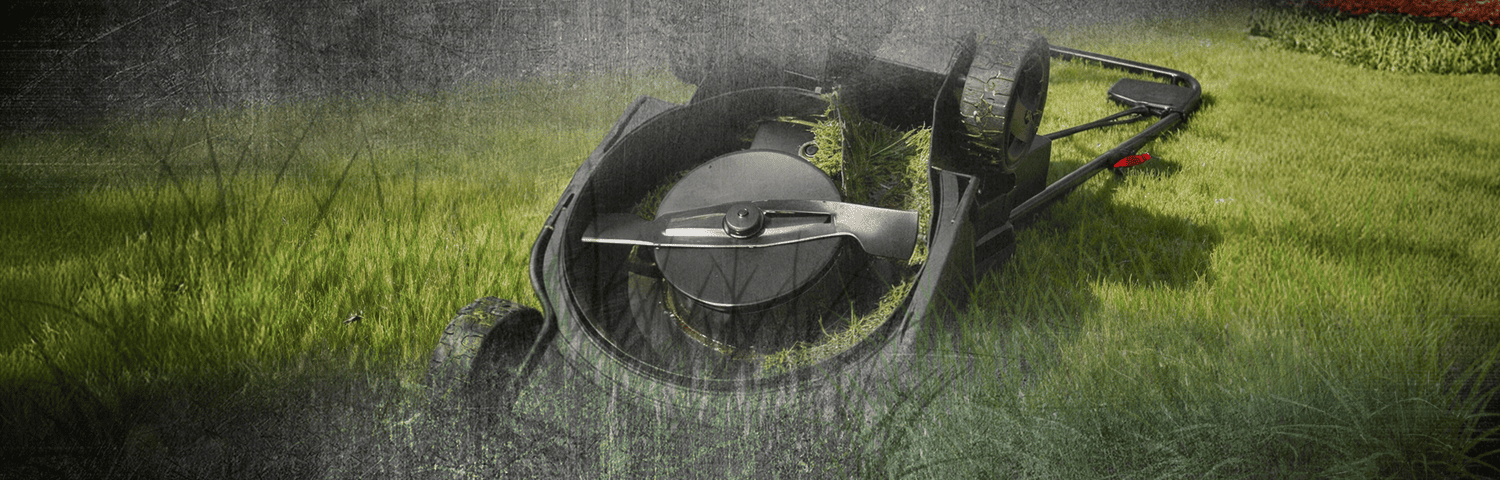
Lawn mowing is a pleasure, but only when the equipment runs smoothly and causes no trouble during operation. One of the more frustrating situations is when the lawnmower does not collect grass into the catcher, even though the engine is running, the blade is spinning, and the mowing itself seems normal on the surface. Grass clippings remain on the lawn, stick to the housing, or clog the discharge chute, while the catcher stays nearly empty. Such a problem can stem from several causes, so it is worth checking step-by-step what affects the performance of the device and what you can repair yourself before taking the mower to a service center.
1. Wet grass – the biggest enemy of efficient mowing
One of the most common reasons why a lawnmower fails to collect grass is the moisture of the cut material. Wet grass sticks together into heavy clumps that have no chance of flowing freely through the collection chute. Instead of ending up in the catcher, the clippings clump up and block the discharge tunnel.
If you want to avoid this problem, it is best to mow when the blades of grass are dry, with no remaining dew or rainwater. Ambient humidity and temperature have a direct impact on whether collecting grass into the catcher will be effective. The damper the turf, the higher the risk of clippings sticking to the inside of the deck and the faster the wear of working components.
2. Tall grass and infrequent mowing
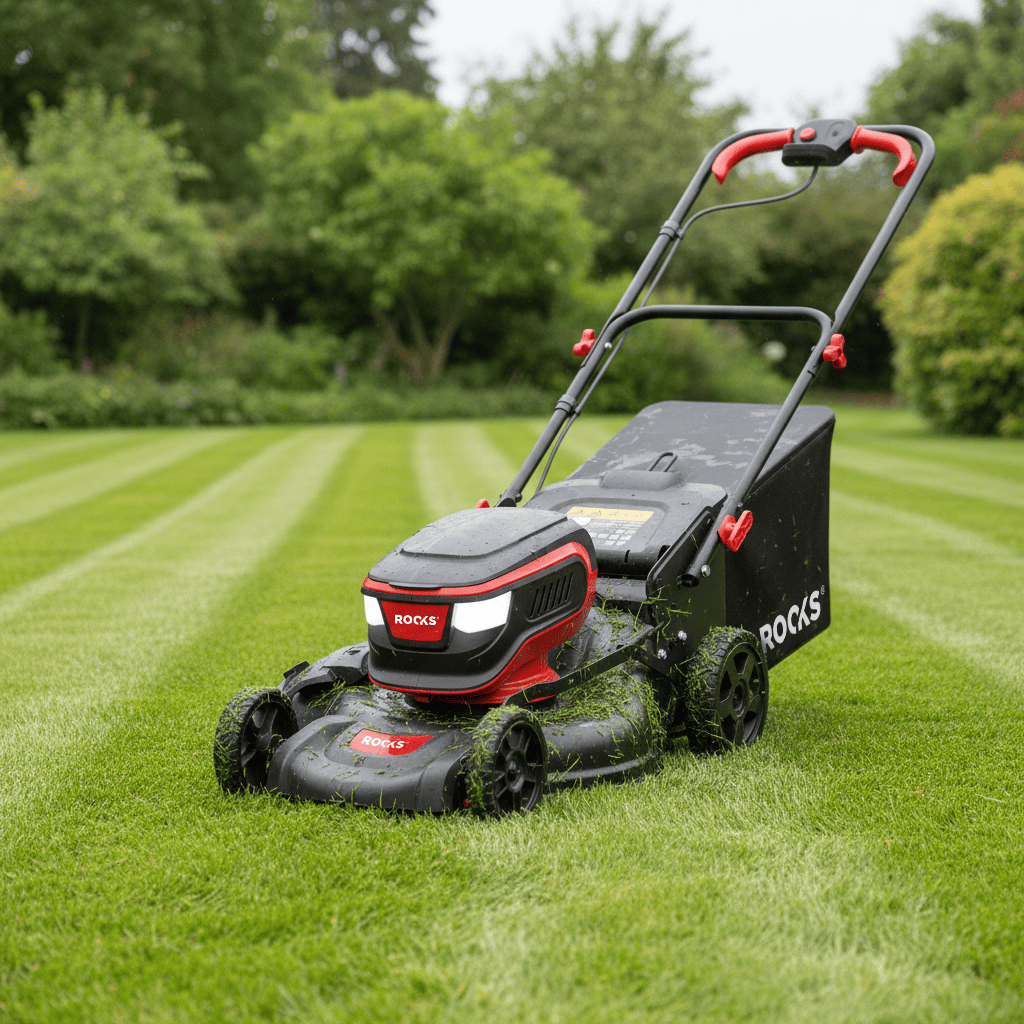
Grass height is another challenge for any lawnmower. When a lawn has not been trimmed for a long time, the volume of cut material is immense. The mower attempts to process too much grass at once, disrupting airflow in the cutting deck and resulting in significantly less grass being gathered into the catcher.
The solution is to adjust the cutting height – it is recommended to set a higher cutting level first, then lower the adjustment lever on a subsequent pass. This working method reduces strain on the device and limits the risk of excessive wear. ROOKS 20V AQ-ONE lawnmowers feature cutting height adjustment that should be used wisely – especially at the start of the season when the lawn has grown excessively tall.
3. Clogged chutes and debris in the cutting deck
If the catcher remains empty despite favorable conditions, check the grass transport chute. Debris such as old grass buildup, dirt, or leaves can completely block the airflow required for efficient collection. The chute clogs particularly fast when mowing wet or very dense grass.
Make sure to empty the catcher and thoroughly clean the discharge chute after every mowing session. Regular cleaning is an absolute necessity for maintaining high mower performance. A few minutes with a soft brush is all it takes to restore your mower’s efficiency.
4. Operating speed
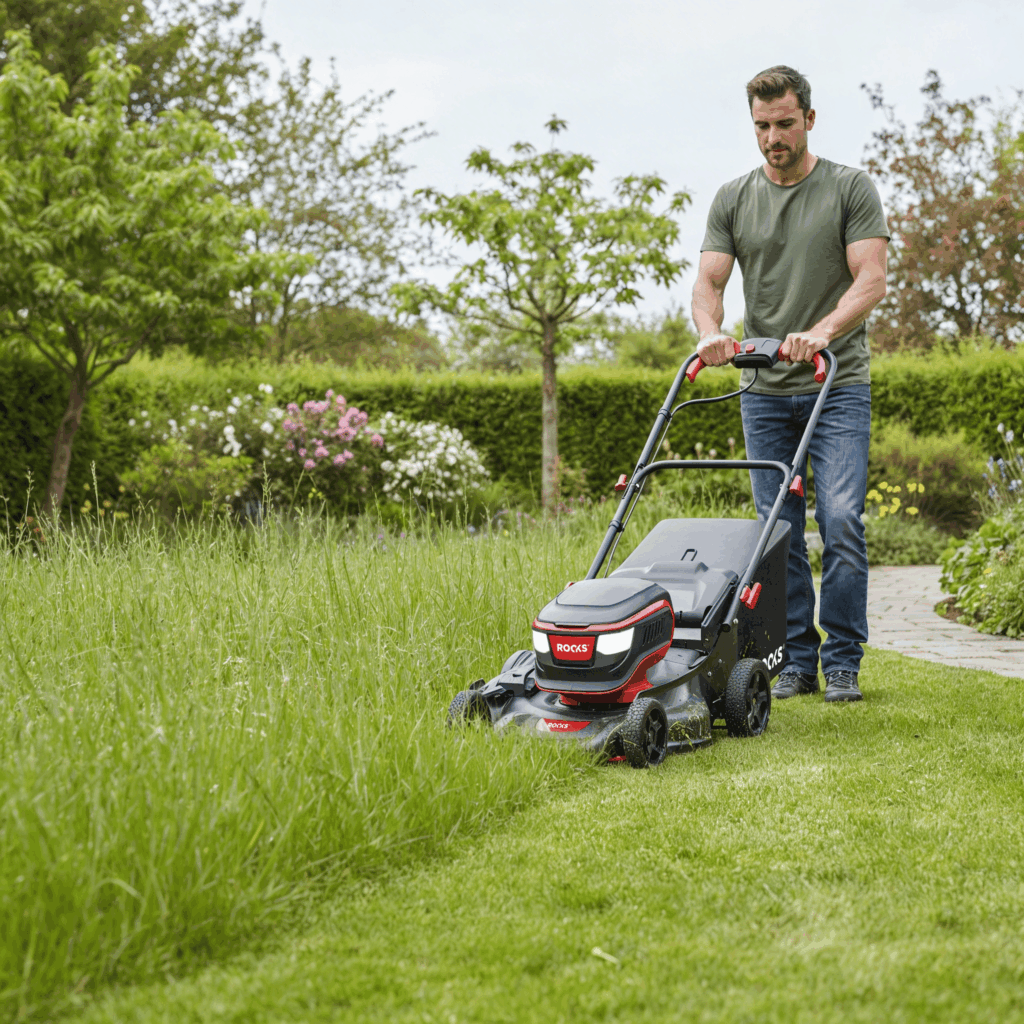
Pushing the lawnmower too quickly across an uneven or densely overgrown lawn reduces its ability to collect clippings. The machine operates under overload; while the motor runs at higher speeds, the airflow cannot keep up with the volume of cut material.
Adapting your pace to the lawn conditions – grass density and height – is key to effective collection. Slow down in areas of denser growth, especially if you are mowing after a long break. A longer working time on a single section at a steady pace yields better results than rushing through with an overloaded machine.
5. Full or improperly seated catcher – a simple cause that is easy to overlook
It sounds trivial, but a full container is one of the most common reasons why a mower stops gathering grass. When the catcher is overfilled, there is no room left for additional clippings, and the airflow mesh becomes blocked by compacted material. The lawnmower stops collecting effectively simply because there is nowhere left to transport the grass.
Equally important is properly mounting the catcher on the machine. Incorrect seating of the catcher, minor damage to the latches, or warping of the container frame can cause insufficient sealing, allowing air to escape sideways instead of blowing the grass inside. Pay close attention when attaching the catcher after each emptying – ensure it is securely locked into place.
6. Dull blade
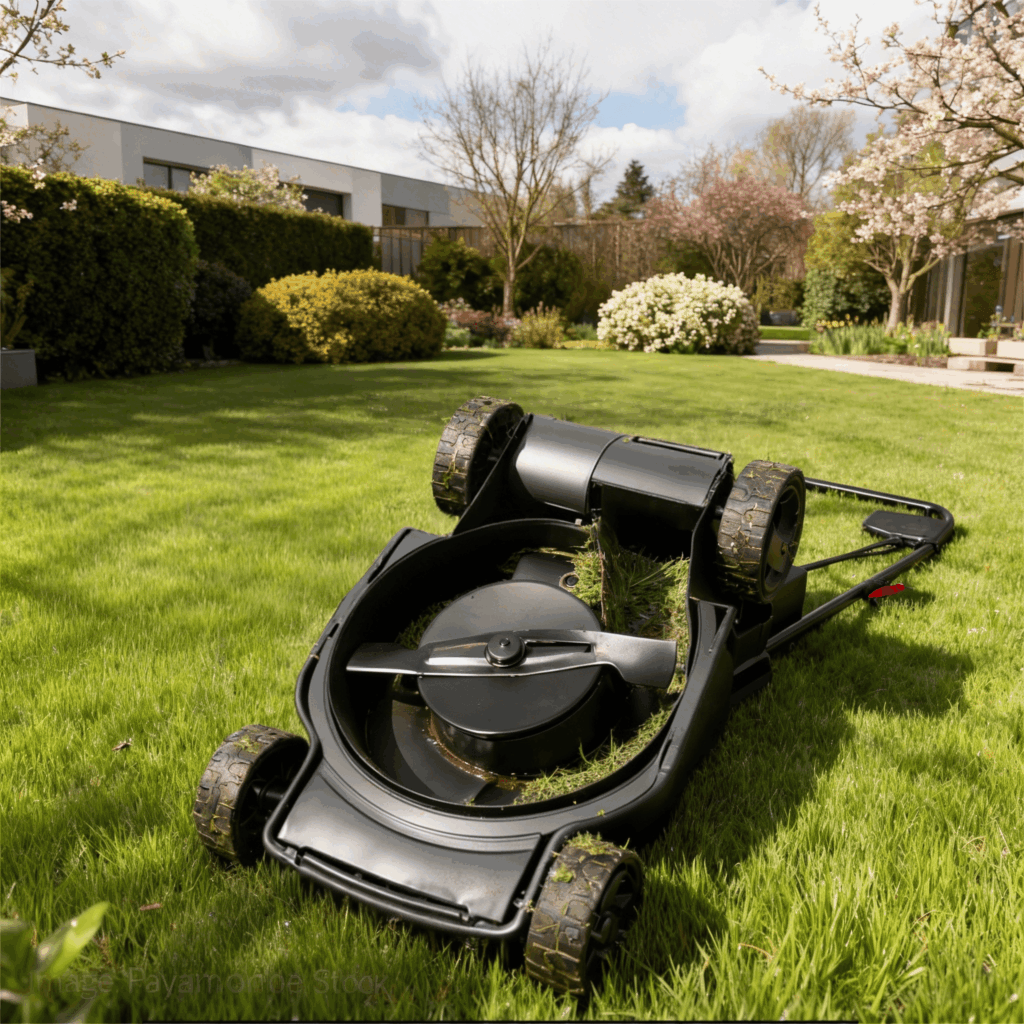
The mower blade must not be forgotten either. If the blade is dull, it will not cut the grass cleanly, but rather tear and shred it. In that case, the clippings are heavier, damper, and much harder to transport into the catcher. That is precisely why blade sharpness is so vital. Well-sharpened, genuinely sharp blades improve cut quality and overall mowing comfort.
When the blade is severely blunted, resharpening or replacement may simply become necessary. This is one of those components whose condition needs to be inspected regularly.
ROOKS AQ-ONE Lawnmowers – reliable equipment for every garden
The ROOKS brand offers two models of cordless lawnmowers from the 20V AQ-ONE series, which perform exceptionally well in home gardens:
• ROOKS OK-03.4422 – lawnmower with a 41 cm working width, powered by 40V (2x20V AQ-ONE). Ideal for mowing medium-sized lawns in residential gardens. Lightweight, ergonomic design, and cutting height adjustment make it easy to adapt to current lawn conditions.
• ROOKS OK-03.4424 – lawnmower with a 46 cm working width, also operating at 40V (4x20V AQ-ONE). Designed for larger areas – providing efficient mowing of large lawns in less time. Compatible with 20V AQ-ONE series batteries.
Both models are pro-grade equipment – quiet, eco-friendly, and convenient to operate. However, maintaining their high performance is only possible if you regularly take care of the machine’s condition. Regular lawnmower maintenance guarantees long service life and efficient grass collection for many seasons to come.
Summary – a roundup of causes and easy ways to fix them
A lawnmower failing to collect grass into the catcher is a problem that can stem from multiple factors at once. Wet, tall grass, clogged chutes, dull blades, a full catcher, or an incorrectly fitted container – any of these potential causes can effectively block grass collection. The good news is that you can resolve most of these issues on your own without visiting a service center.
The key is regular mower maintenance and staying mindful of the conditions in which you operate the equipment. Cleaning, checking for wear, maintaining a sharp blade, and replacing consumable parts on time will allow you to avoid most problems. As a result, your lawnmower will run smoothly from the beginning to the end of the season, making mowing efficient and comfortable once again.
